
Expansive Soil
Soil conditions vary by property and region. Leister specifically identifies expansive soil as a recurring Colorado construction concern, which is one reason site preparation matters regardless of pool type.
Both can create a beautiful inground pool, but they are very different construction systems. Colorado homeowners should compare installation time, surface feel, maintenance, design flexibility, covers, site conditions and the way they plan to use the pool before choosing between them.
Colorado Pool Pros specializes in fiberglass, so this is not presented as a claim that one pool type is automatically right for every homeowner. Concrete offers substantially greater freedom for fully custom shapes and dimensions. Fiberglass offers a manufactured finished shell, a smooth surface and a much different installation process. The better fit depends on the project.
This comparison focuses on practical decisions raised during CPP's work with Colorado homeowners rather than treating either construction method as a one-size-fits-all answer.
| Consideration | Fiberglass | Concrete |
|---|---|---|
| Pool Structure | Manufactured shell delivered to the property and set into the prepared site. | Pool structure is constructed on site, allowing the vessel itself to be shaped for the project. |
| Design Freedom | Choose from manufactured models, sizes, depths and integrated features. | Greater flexibility for highly custom dimensions, shapes and one-off designs. |
| Surface Feel | Smooth fiberglass finish. | Surface feel depends on the finish system selected for the concrete pool. |
| Construction | The finished shell arrives at the site, allowing the core installation to move quickly once planning and permits are complete. | The pool itself is constructed and finished on site, creating a longer and more involved build sequence. |
| Maintenance | CPP describes fiberglass ownership as straightforward, with a smooth finished surface and normal pool-water care. | Maintenance requirements depend on the pool's finish, equipment, water system and ongoing condition. |
| Automatic Cover | Rectangular fiberglass models can be paired with integrated automatic-cover systems. | An integrated automatic cover can also influence the geometry of a concrete pool because the cover needs a practical path across the water. |
| Colorado Site Planning | Soil, drainage, backfill, access and installation details remain important even though the pool is a manufactured shell. | Soil movement and cracking are important structural considerations to discuss with the concrete-pool builder and project engineer where applicable. |
Exact construction methods, maintenance needs and performance depend on the manufacturer, builder, engineering, site conditions, equipment and selected finish. Compare actual proposals and specifications, not only pool-type labels.
Leister points to expansive soils as one of the Colorado-specific issues homeowners should understand. His construction background also makes him cautious about treating cracking in concrete as an abstract possibility rather than something that needs to be planned for.
Soil conditions vary by property and region. Leister specifically identifies expansive soil as a recurring Colorado construction concern, which is one reason site preparation matters regardless of pool type.
CPP installs concrete pool decks as well, and Leister is candid that concrete cracking can occur. With a concrete pool, movement affecting the pool structure itself is a more consequential issue than a cosmetic crack in surrounding flatwork.
Fiberglass is not a shortcut around proper construction. Excavation, backfill, drainage, plumbing, inspections and site conditions all need to be handled correctly for the project.
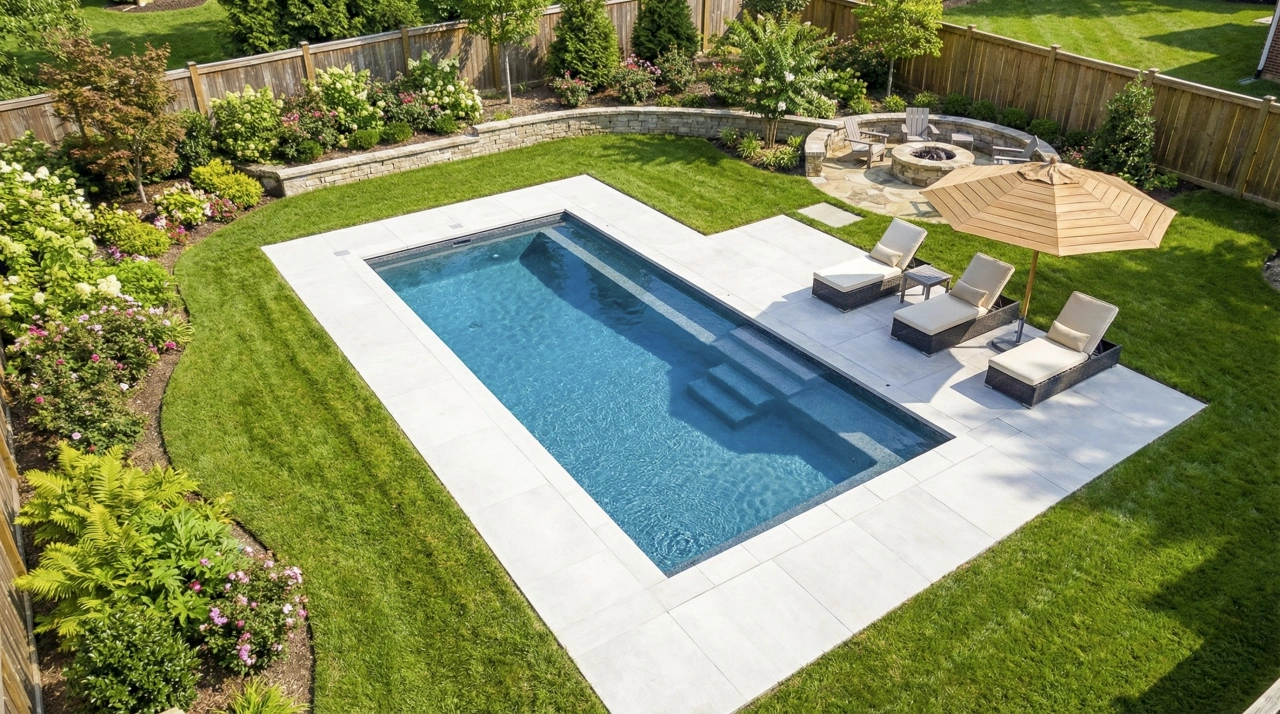
Leister repeatedly comes back to the ownership experience when explaining why he prefers fiberglass: the smooth feel of the shell, straightforward maintenance and the ability to combine the pool with an automatic cover.
This is the most straightforward reason a homeowner might choose concrete. A concrete pool can be designed around highly specific dimensions or a one-off shape. Fiberglass buyers select from manufactured models.
Leister's counterpoint is practical: many CPP customers want an integrated automatic cover, and that requirement already pushes the project toward rectangular geometry. For those homeowners, the fiberglass catalog may provide plenty of meaningful choice without needing a completely custom vessel.
Explore Fiberglass ModelsThe useful comparison is not which material wins in the abstract. It is whether the construction system fits the design, property, timeline and ownership experience you want.
CPP's fiberglass approach is particularly aligned with homeowners who find a manufactured model they like and value the characteristics that come with that system.
A concrete builder can create dimensions and geometry that do not need to conform to a manufactured shell. That flexibility can matter when the pool vessel itself is the custom architectural feature.
These answers focus on the practical tradeoffs homeowners are likely to encounter while deciding how to build their pool.
If a fiberglass model fits your property and the way you want to use the backyard, Colorado Pool Pros can help you evaluate the site, installation, equipment, cover and complete project around it.